Smaller flue area
Creosote has less room to accumulate before it starts restricting draft.
SAN DIEGO COUNTY & SOUTHWEST RIVERSIDE CHIMNEY AND VENT SERVICES
619-387-6243SAN DIEGO COUNTY & SOUTHWEST RIVERSIDE CHIMNEY AND VENT SERVICES

Chimney Cleaning
Professional chimney cleaning by a CSIA Certified Chimney Sweep for San Diego County and select Southwest Riverside homes.
Owner/technician is a CSIA Certified Chimney Sweep.
Call, Request Estimate, or Schedule Service
Serving San Diego County, Southwest Riverside, and surrounding areas
CSIA Certified Chimney Sweep
Live BookingEase Service
Online booking uses the current BookingEase service connection for this appointment.
Local Service
Goodfellas Chimney Services provides chimney cleaning across San Diego County and select Southwest Riverside communities for homeowners who want clear answers, careful containment, and service performed by an owner/technician who is a CSIA Certified Chimney Sweep.
Cleaning helps remove soot and creosote from accessible areas, supports proper draft, and gives homeowners a better understanding of what is happening inside the fireplace system, whether the home is coastal, inland, older, recently purchased, or used seasonally.
Serving San Diego County, Southwest Riverside, and surrounding areas with professional, safety-focused home service.
CSIA Certified Chimney Sweep
Chimney-related work is performed by an owner/technician with CSIA Certified Chimney Sweep credentials, giving homeowners trained guidance on creosote, draft, visible defects, and maintenance priorities.
Learn about CSIA certificationWhat We Do
firebox cleanup
smoke shelf attention
accessible flue sweeping
visible condition notes
CSIA-informed recommendations
Wood Stove Cleaning
Wood stove systems can build creosote faster than traditional masonry chimneys and should be inspected and cleaned regularly.
Wood stove systems can accumulate creosote faster than traditional masonry fireplaces. Because many wood stove liners and connector pipes have a smaller interior area, even a moderate amount of buildup can start to restrict airflow, affect draft, and make the system harder to operate.
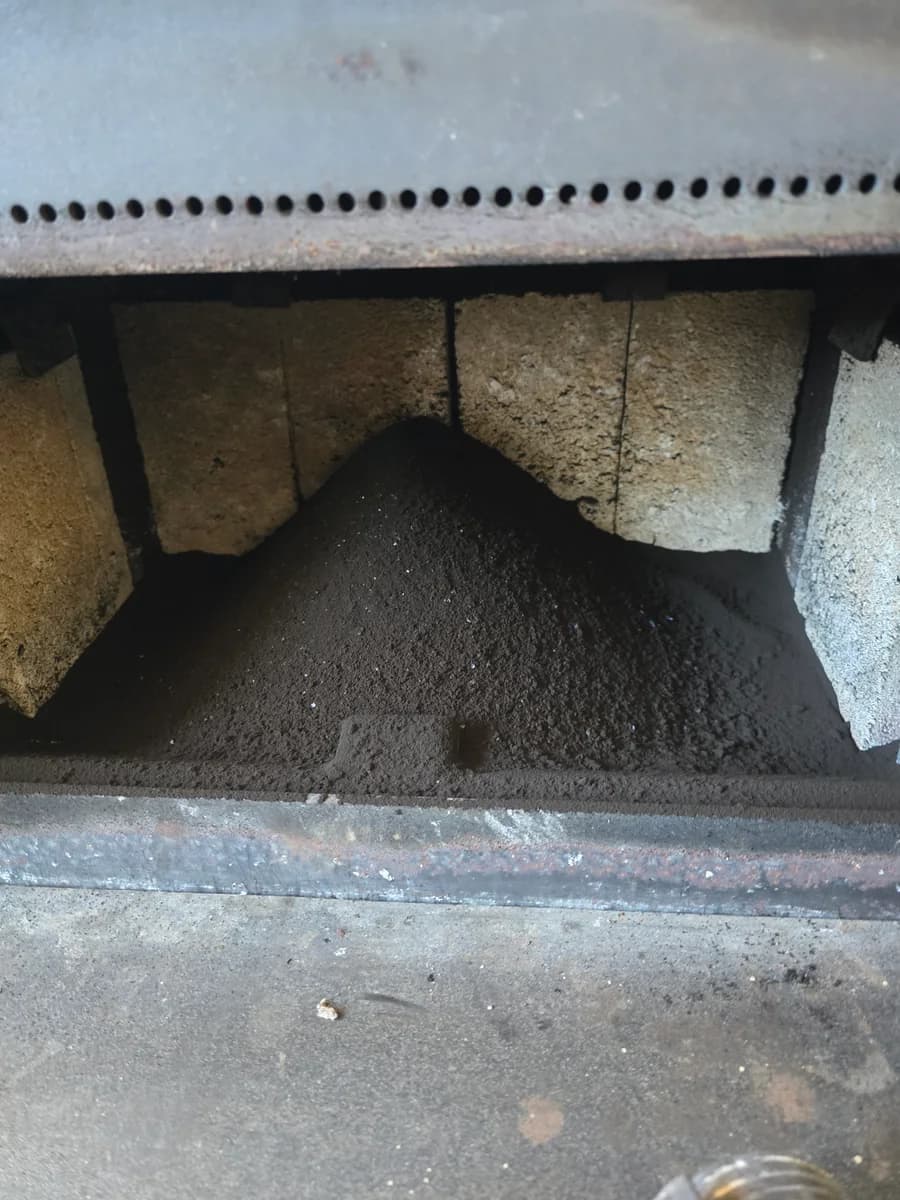
Creosote can collect inside the liner, around the baffle area, in the firebox, and near connector pipe sections. If it is left in place, buildup can lead to smoke issues, odor, poor performance, and increased chimney fire risk.
Goodfellas Chimney Services cleans wood stove systems carefully and checks the areas where soot and creosote commonly collect, including the liner, firebox, baffle area, and accessible venting components.
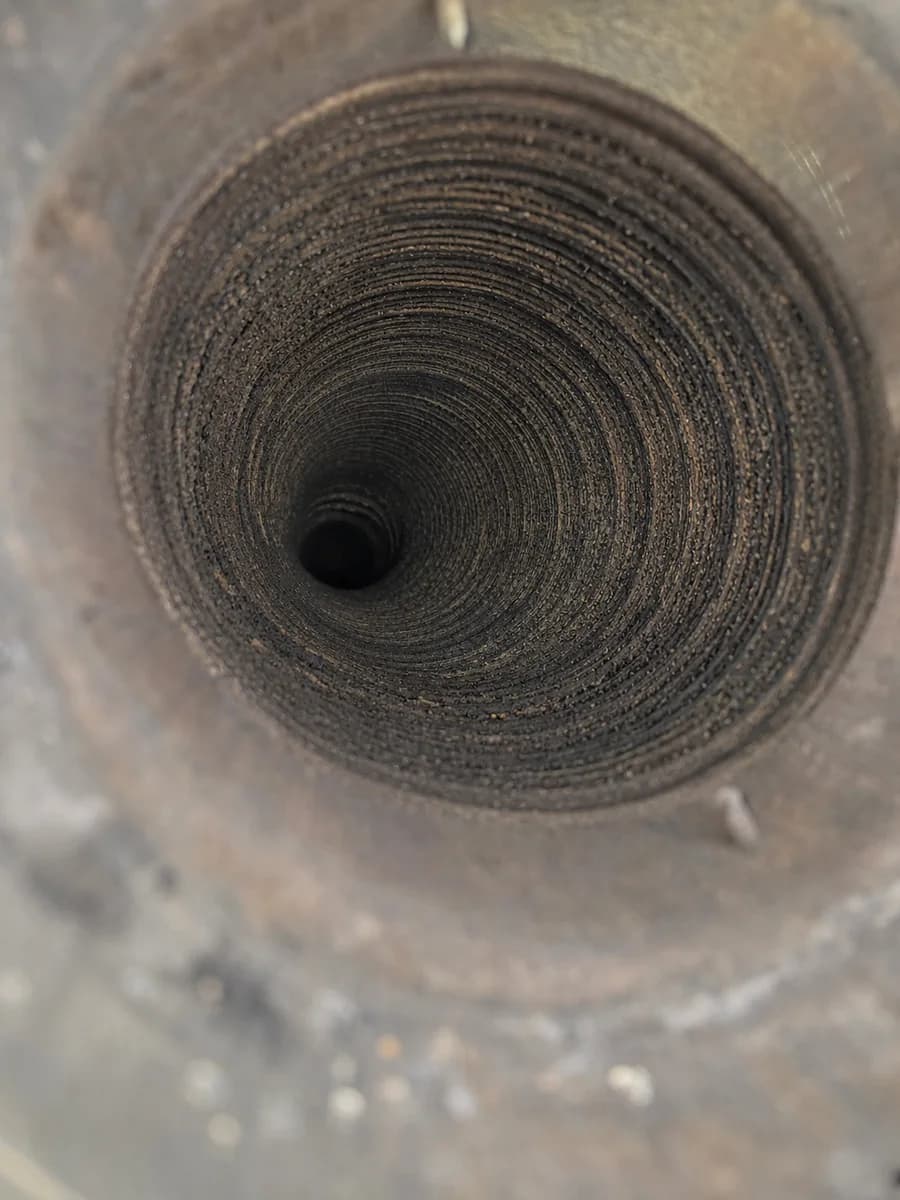
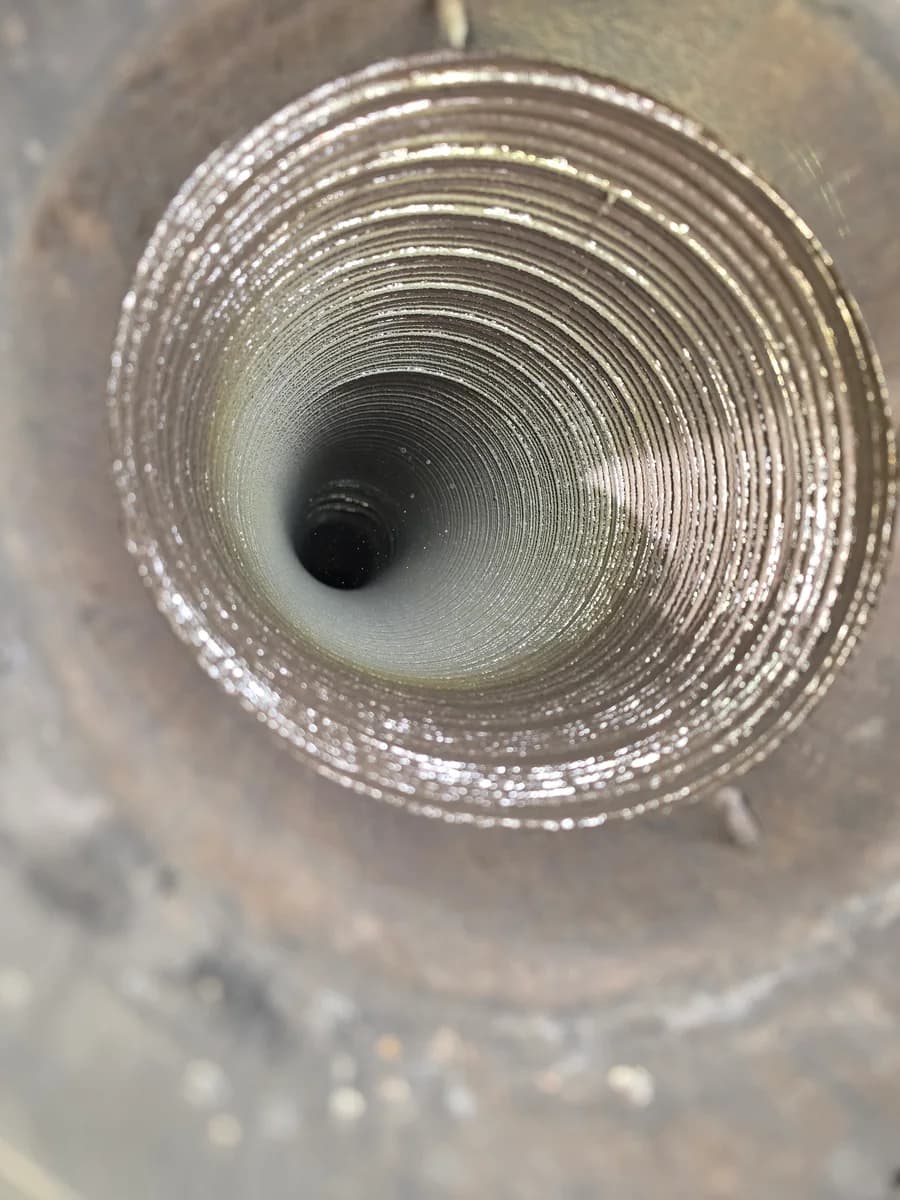
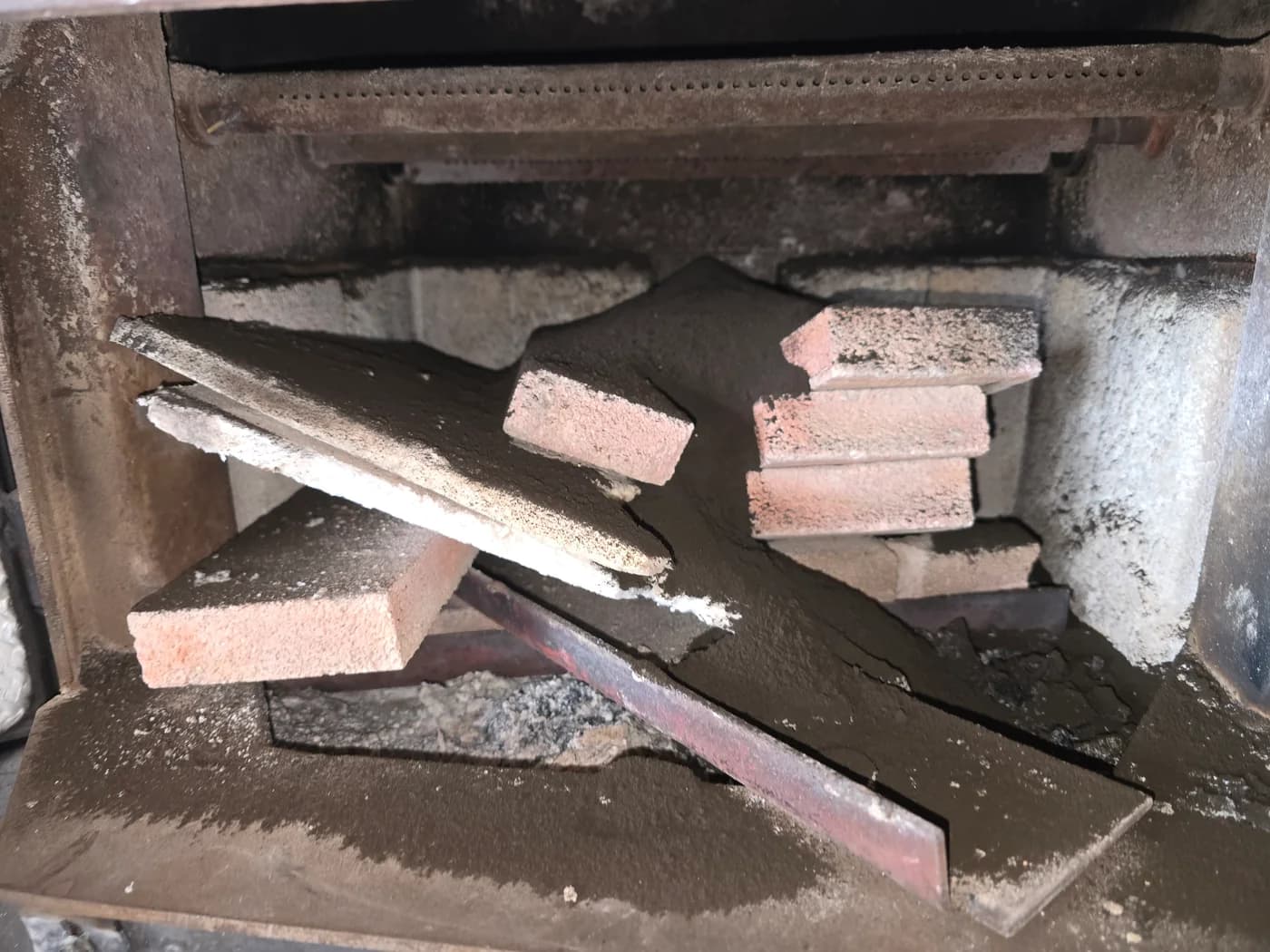
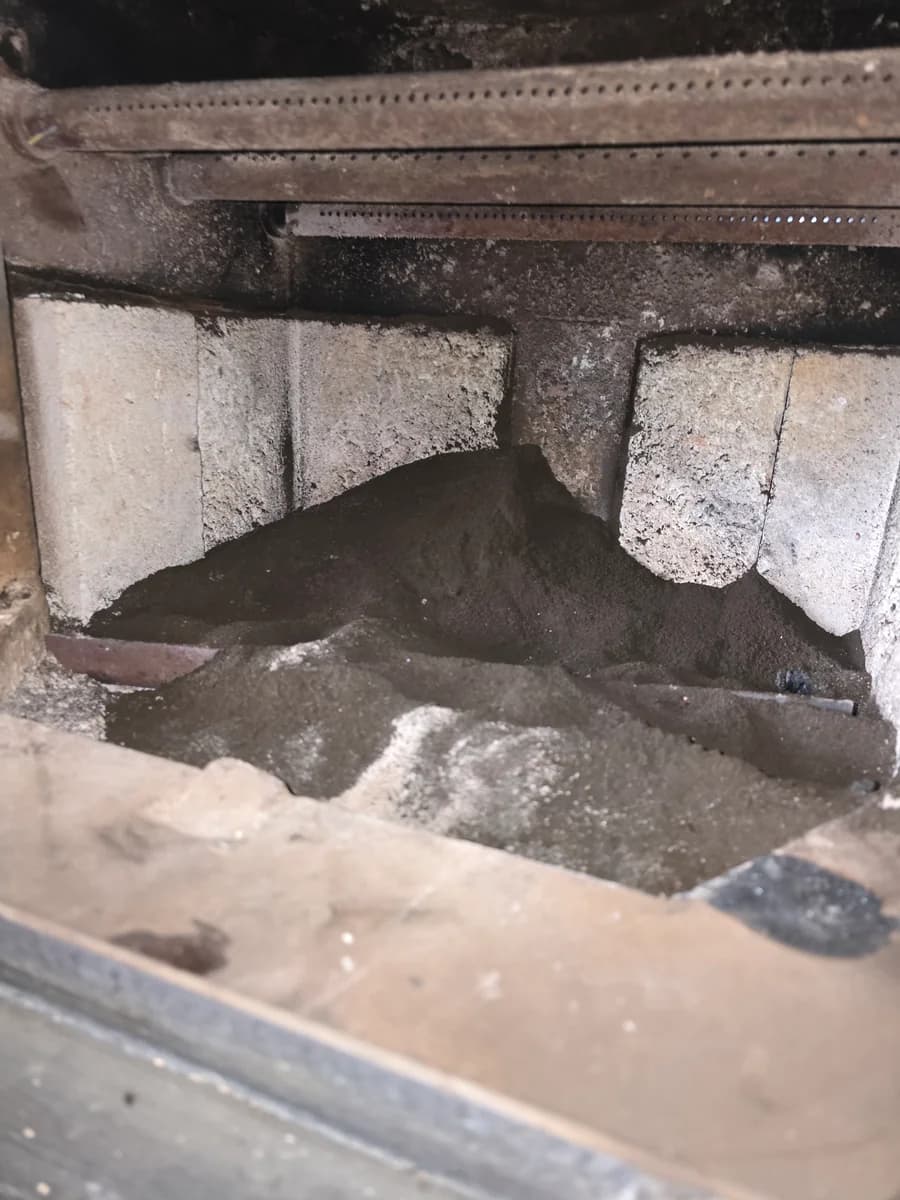
Creosote has less room to accumulate before it starts restricting draft.
Soot and creosote can collect around internal stove components, not just inside the liner.
Heavy buildup can cause poor draft, smoke rollout, odor, and difficult operation.
Creosote is combustible, so regular cleaning helps reduce chimney fire risk.
Schedule a wood stove and liner cleaning with Goodfellas Chimney Services.
Process
Step 1
Protect the fireplace work area and confirm access.
Step 2
Remove soot and creosote from accessible firebox, smoke shelf, and flue areas.
Step 3
Check visible condition while cleaning and explain anything that deserves attention.
Step 4
Leave the work area clean and provide practical next steps.
Recent Work
Goodfellas publishes field photos and technician notes only when they are tied to verified service details. This section shows the actual conditions we check during chimney cleaning appointments.
soot and creosote levels in accessible chimney and fireplace areas
Smoke shelf, damper area, draft behavior, and visible firebox condition
Cap, exterior termination, masonry, or prefabricated system concerns where accessible
CSIA-informed notes when cleaning suggests a dedicated chimney inspection may be useful
Verified field examples require real service documentation
Goodfellas only publishes photos and technician notes when they can be matched to actual service details. This section stays focused on what the technician checks during the appointment.
City
Service
Finding
Photo
Technician note
Related service
FAQs
Yes. The owner/technician is a CSIA Certified Chimney Sweep, and chimney cleaning is performed with that training and standard of care in mind.
Many homeowners schedule annual cleaning or service before heavier seasonal use. Actual timing depends on fireplace use, fuel, draft, and visible buildup.
Cleaning includes visible observations during the work. If you need a dedicated condition evaluation, schedule a chimney inspection as well.
Yes. Smoke can relate to buildup, draft, pressure, damper issues, or system condition. Cleaning is one practical starting point, and inspection may also be recommended.
Wood stove systems should be inspected at least once a year and cleaned when creosote buildup is present. Heavy-use wood stoves may need cleaning more often than traditional masonry fireplaces.
Wood stoves often vent through smaller liners or connector pipe, so there is less area for creosote to accumulate before it affects draft and performance.
Cleaning may include the liner, connector pipe, firebox, baffle area, and accessible internal components depending on the setup.
Call, request an estimate, or schedule service with Goodfellas Chimney Services at 619-387-6243.
Call or Text: 619-387-6243
Need Service Fast?